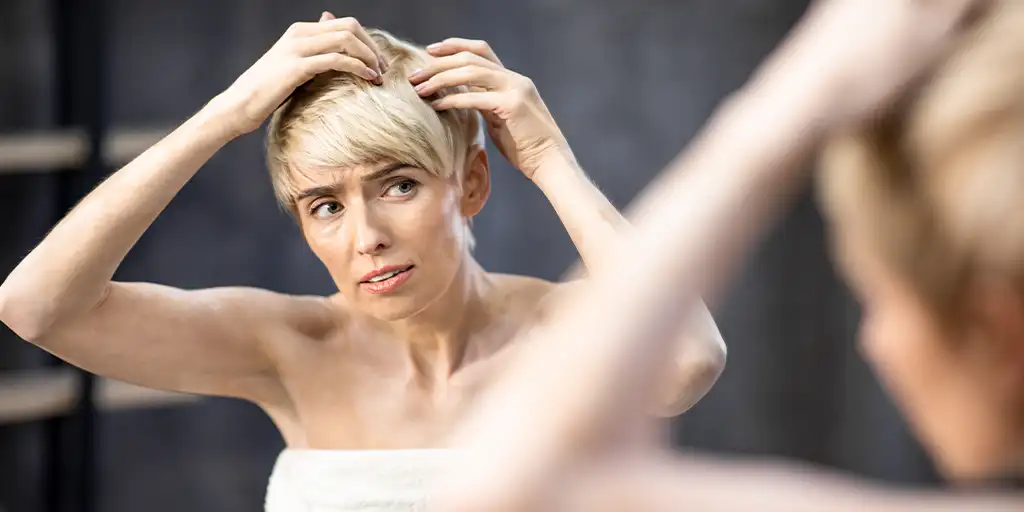
Hair loss during menopause is a common concern for many women, often causing distress and affecting self-esteem. As a functional medicine practitioner, I approach this issue by looking at the whole person and addressing the root causes. Let’s explore the connection between menopause and hair loss, and discuss natural strategies to support healthy hair growth.
Understanding the Connection
During menopause, hormonal changes can significantly impact hair growth cycles. The decline in estrogen and progesterone levels can lead to an increase in the relative proportion of androgens (male hormones) in the body. This shift can cause hair follicles to shrink, resulting in thinner hair and increased shedding.
Key Factors Contributing to Menopausal Hair Loss
- Hormonal Imbalance: The fluctuation of estrogen, progesterone, and testosterone levels can directly affect hair growth.
- Nutrient Deficiencies: Menopause can impact nutrient absorption and utilization, leading to deficiencies that affect hair health.
- Stress: Both physical and emotional stress during this life transition can exacerbate hair loss.
- Thyroid Dysfunction: Thyroid issues, which are more common in menopausal women, can contribute to hair thinning.
- Inflammation: Chronic inflammation in the body can affect hair follicle health and hair growth cycles.
Functional Medicine Approaches to Address Hair Loss
Hormone Balancing:
- Consider bioidentical hormone replacement therapy under medical supervision.
- Incorporate phytoestrogens from foods like flaxseeds, soybeans, and legumes.
- Support the adrenal glands with adaptogens like ashwagandha and rhodiola.
Nutritional Support:
- Ensure adequate protein intake (0.8-1g per kg of body weight) for hair structure.
- Increase intake of omega-3 fatty acids from fish, flaxseeds, and walnuts.
- Supplement with key nutrients: iron, zinc, vitamin D, biotin, and vitamins C and E.
Stress Management:
- Practice stress-reduction techniques like meditation, yoga, or deep breathing exercises.
- Prioritize sleep hygiene for optimal hormone balance and stress recovery.
Thyroid Health:
- Test for thyroid function and address any imbalances.
- Support thyroid health with selenium-rich foods like Brazil nuts and sardines.
Reduce Inflammation:
- Adopt an anti-inflammatory diet rich in colorful fruits and vegetables.
- Consider supplements like curcumin or omega-3 fatty acids to combat inflammation.
Scalp Care:
- Use natural, sulfate-free hair care products.
- Stimulate the scalp with regular massage to improve blood circulation.
Lifestyle Modifications:
- Limit heat styling and harsh chemical treatments.
- Stay hydrated by drinking adequate water throughout the day.
- Engage in regular, moderate exercise to promote overall health and circulation.
Ask Dr. Corrine about Menopause and Hair loss
Addressing hair loss during menopause requires a holistic approach that considers hormonal balance, nutrition, stress management, and overall health. By implementing these functional medicine strategies, many women can support healthier hair growth and improve their overall well-being during this transitional phase of life.
At Legacy Physicians, we are here to guide you on this journey, offering personalized care and expert advice tailored to your unique needs. Remember, each woman’s experience with menopause is unique. It’s essential to work with a healthcare provider to develop a personalized plan that addresses your specific needs and concerns. Schedule a consultation with Dr. Corinne at Legacy Physicians.
Dr. Corinne Rao is a leading expert in Lifestyle Medicine and Functional Medicine, dedicated to helping patients achieve optimal health through evidence-based practices and personalized care.