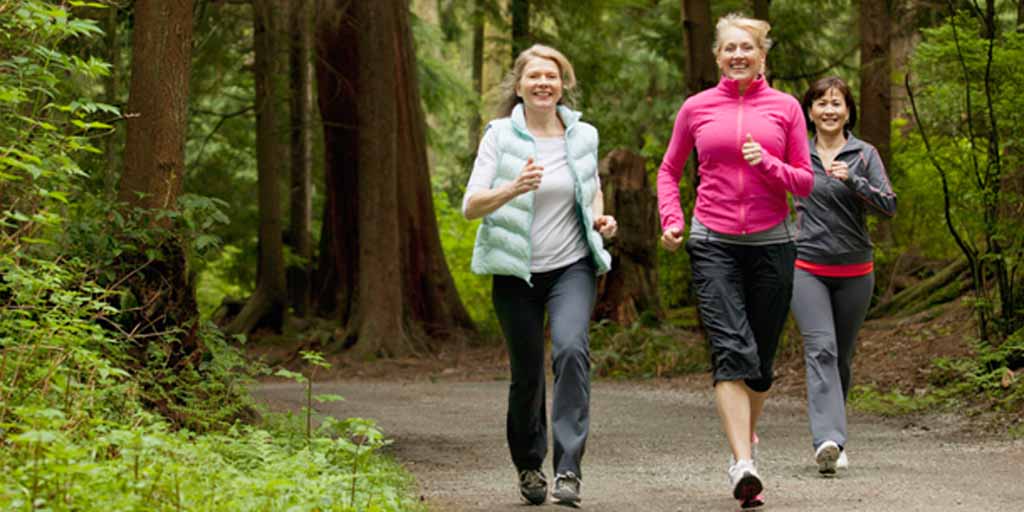
Walking Is Good For Your Health
We’ve all heard it before – we should be walking more. And there’s a good reason why. Walking is one of the best exercises you can do for your health. It’s been linked to reducing the risk of heart disease, improving mental health, aiding in weight loss and more. So if you’re looking for a way to get fit and improve your overall health, start walking!
Better Heart Health Is Just One of The Seven Health Benefits Of Walking:
- Reduce the risk of heart disease
- Improve mental health
- Aid in weight loss
- Reduce the risk of cancer
- Improve joint health
- Improve bone health
- Improve overall fitness
How can it be that walking – arguably one of the easiest exercises – can yield so many health benefits? Let’s take a closer look.
How can walking reduce the risk of heart disease?
Heart disease is the leading cause of death in the United States, so it’s important to do everything we can to reduce our risk of developing it. Walking has been shown to improve heart health by reducing cholesterol levels, reducing blood pressure, and improving overall fitness.
How can walking improve mental health?
Walking is a great way to get some exercise and improve your mental health at the same time. Exercise has been shown to be beneficial for mental health by reducing stress levels, improving moods, and reducing anxiety.
How can walking aid in weight loss?
Walking is a great way to burn calories and lose weight. It’s low-impact, so it’s easy on your joints, and it’s something most people can do. Walking has been shown to help people lose weight and keep it off long-term.
How can walking help reduce the risk of cancer?
There is some evidence that walking and other physical activity are linked to reduced cancer risk. Walking can help you burn calories, lose body fat and maintain a healthy weight which can also help reduce the risk of cancer.
How can walking improve joint health?
Walking has been shown to help improve joint health by reducing inflammation and improving range of motion. It’s also a low-impact exercise that is easy on your joints.
How can walking improve bone health?
Walking is a great way to improve bone health. It helps to improve bone density and reduce the risk of osteoporosis.
How can walking improve overall fitness?
Walking gets your heart pumping. This type of aerobic exercise is important for increasing fitness levels because it helps to improve cardiovascular health, increase endurance, and burn calories.
Maximizing The Health Benefits Of Walking
Most of us walk a bit during the day, and for some of us, that may be enough to reap the health benefits of walking. For many of us, that’s not enough. So how much walking are we talking about? How far and how long should you walk? How often should you walk? How do you stay motivated? When is the best time of day to walk and what else might you do to maximize the health benefits of walking? Let’s begin with time and distance.
What Is The Best Distance For A Walk?
The best distance for a walk is whatever distance you feel comfortable with. If you’re just starting out, start with a short walk and work your way up to longer walks. You can also break up your walk into smaller segments throughout the day. For example, you could take a 10-minute walk in the morning, a 20-minute walk at lunch, and a 30-minute walk in the evening. The important thing is to find a walking routine that works for you and stick with it. Walking is a great way to improve your health, so make it a part of your daily routine!
Record Your Progress To Stay Motivated
If you’re looking for a way to track your progress and stay motivated while walking, then consider using a smartwatch (popular brands include: Apple, Garmin, Fitbit, and many others). A smartwatch can track your steps, distance, heart rate, and more. This can be really helpful for monitoring your movement and progress and making sure you’re staying on track. Seeing your progress is fun and recording your walks, steps, and exercise time can be a great source of motivation!
What Are The Best Times Of Day To Take A Walk?
When it comes to walking, there’s no wrong time to do it. But there are some times that might be better than others. Importantly, walking helps with digestion. Walking helps to move food through the digestive system and can also help to relieve constipation. Early in the morning is a great time to walk because it’s a quiet time of day and you can get your exercise done before the day starts. If your typical day includes hours of sitting, consider taking your walk after you eat breakfast. The evening after dinner is also a great time to go outside for a peaceful walk or get on a treadmill before you finish the day. Walking is a great way to get some exercise and improve your health no matter what time of day it is. There really is no wrong time to take a walk!
Conclusion
Walking is one of the best exercises you can do for your heart health and your health in general. It has been linked to reducing the risk of heart disease, improving mental health, aiding in weight loss, and more. So if you’re looking for a way to get fit and improve your overall health, start walking on a regular basis. Many who take this first step discover that they enjoy their walks and look forward to them every day!
As always, this post is not intended to provide medical advice. Please check with your physician for your individual medical needs.